
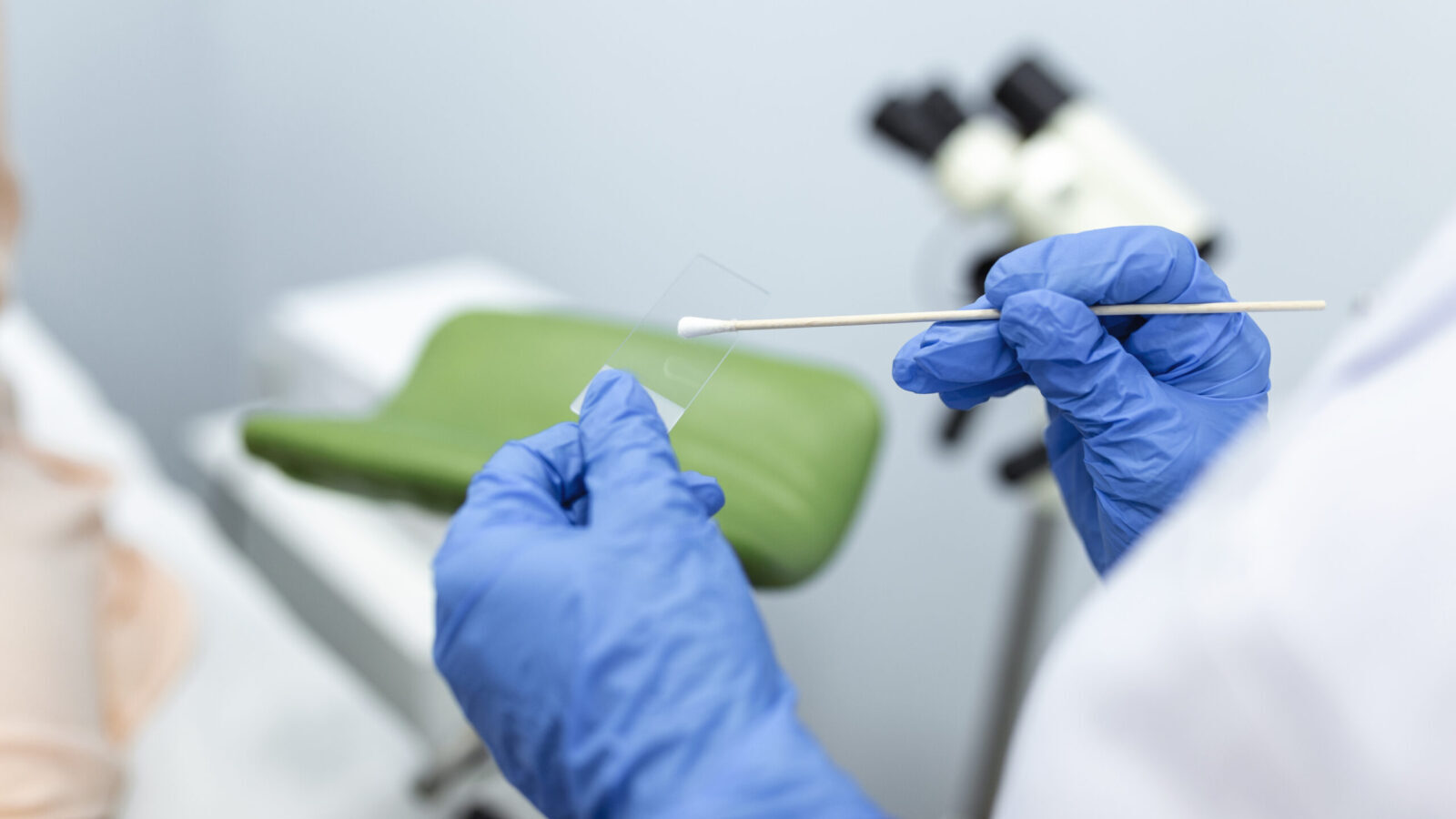
For decades, the Pap smear has been a cornerstone of women’s health—credited with dramatically reducing cervical cancer rates through early detection. But with advances in science, especially our understanding of human papillomavirus (HPV), many women are asking: Do we still need Pap smears? Or is there a better way?
Let’s break it down.
The Original Purpose of the Pap Smear
The Pap smear (or Pap test) was designed to detect abnormal cells on the cervix before they become cancerous. It’s been incredibly effective—reducing cervical cancer deaths by more than 50% since its widespread adoption.
But the Pap test doesn’t actually look for the cause of cervical cancer. It looks for the result—cellular changes that may or may not progress.
Enter HPV: The Main Cause
We now know that nearly all cervical cancers are caused by persistent infection with high-risk strains of HPV. This discovery has changed the screening landscape significantly.
Instead of waiting for abnormal cells to appear, we can now test directly for the presence of high-risk HPV strains. This is called primary HPV testing, and it’s a more sensitive way to identify women at risk.
So… Do We Still Need Pap Smears?
Short answer: sometimes—but not always.
Here’s how current screening is evolving:
- Primary HPV testing (preferred in many guidelines): Screens for high-risk HPV directly. If negative, risk is very low—allowing for longer intervals between tests (often 5 years).
- Co-testing (Pap + HPV): Still commonly used in the U.S. Combines both methods for a broader safety net. I prefer this because even if you do not have HPV, I like to know how your cells look still: is there inflammation? Signs of other types of infection like yeast or BV? Ate the cells looking atrophic or peri/postmenopausal?
- Pap smear alone: Much less common in the US, but still used in some settings—especially where HPV testing isn’t available.
Why This Shift Matters
- Earlier detection of risk: HPV testing identifies risk before cellular damage occurs.
- Longer intervals between screenings: With a negative HPV test, screening can safely be spaced out.
But Screening Still Matters—A Lot
Even though the method is evolving, the need for screening has not gone away.
Cervical cancer is still preventable—but only if we catch changes early.
Skipping screening altogether is where the risk lies. And No, while there is some discomfort in most offices… There is no toxicity nor harm in the exam itself. Personally I do my best to have people remark that they barely even felt it or that they learned a lot about their yoni/pelvic floor though my exam. I have even found lost objects in people and diagnosed unknown conditions.
But No, you don’t have to come every year anymore!
What This Means for You
Your ideal screening plan depends on several factors:
- Age
- Health history
- Previous screening results
- Immune status
- Access to testing options
For many women today, HPV testing every 3–5 years may replace frequent Pap smears—but this should always be individualized.
A Holistic Perspective
At Functional Midwifery, we look beyond just test results.
We consider:
- Immune resilience (your body’s ability to clear HPV)
- Vaginal and cervical microbiome health
- Nutritional status (b vitamins, vitamin A, etc.)
- Lifestyle factors that influence viral persistence
- Exposure risk (same partner for years vs dating or otherwise)
- Because prevention isn’t just about screening—it’s about creating an internal environment where disease is less likely to take hold.
Bottom Line
Pap smears aren’t obsolete—but they’re no longer the only (or even the best) tool we have.
The future of cervical cancer screening is HPV-based, risk-informed, and more personalized than ever.
If you’re unsure what screening approach is right for you, schedule a visit. We’ll walk through your history, your risk, and your options—so you can make an informed decision with confidence.